
Septic vs sewer in Florida: what is the difference?
A septic system treats wastewater in a tank and drain field on your lot. Sewer sends it to a city treatment plant. Angi’s July 2026 guide puts the average U.S. sewer bill at $66 a month. Its septic pumping average is $550, every three to five years. HomeGuide’s 2026 guide prices switching to sewer at $3,000 to $15,000.
Buying a South Florida home on septic? A septic inspection before closing shows the shape of a system you cannot see. We check the tank, lids, baffles, liquid level and drain field, and put it in writing.
How do septic and sewer systems work?
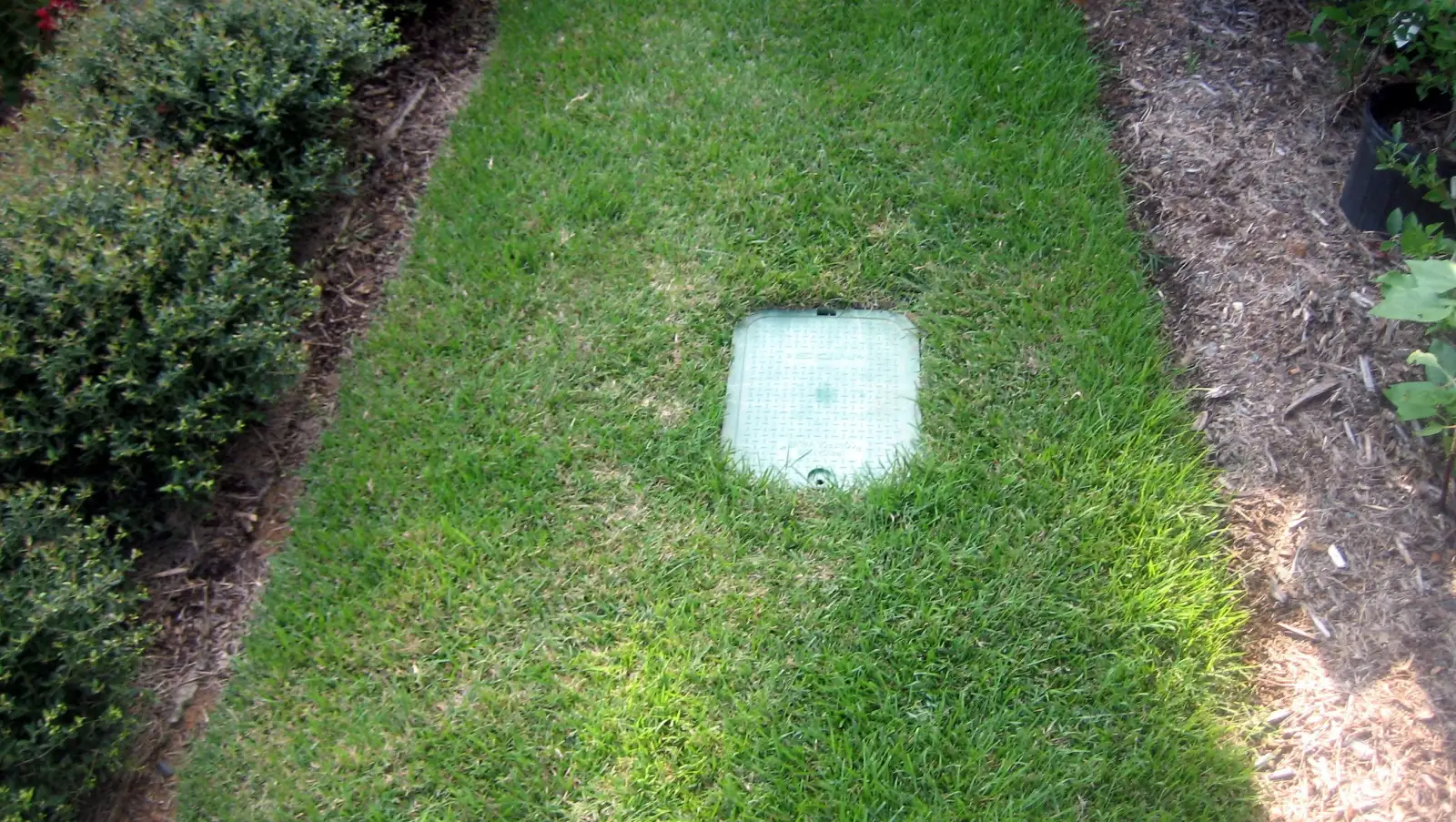
A septic system handles wastewater on your own lot. EPA describes a buried, watertight tank that holds wastewater long enough for solids to settle as sludge. The liquid then flows to a drain field, where the soil treats it. A sewer line carries the same wastewater off your lot to a city plant.
Per EPA, all the water leaving the house runs through one main drainage pipe into the tank. If the drain field gets more liquid than it can take, it can flood. Sewage then reaches the ground surface or backs up into toilets and sinks.
On sewer, wastewater runs from the house to the main sewer line, then on to a city plant for treatment. In Weston, the sewered areas are served by the City of Sunrise’s Sawgrass Wastewater Treatment Plant.
How do you know if your home is on septic or sewer?
Start with the city’s own records. Hollywood posts a map of its currently unsewered locations. Weston’s city plan says some properties in Windmill Lakes Estates are not sewered.
Check your mail. Florida law requires the utility to notify owners at least 1 year before sewer becomes available. A written notice follows once the line is ready. Hollywood mails these notices to property owners, not tenants.
Check your bill. Angi lists no monthly cost for septic, while sewer comes with a monthly bill. A sewer charge on your bill usually means sewer. One exception: Hollywood adds a base flow charge to the bill 90 days after its notice, connected or not.
How do septic and sewer compare on cost?
Sewer costs less to put in but bills you every month. Septic costs more to install but has no monthly wastewater bill. Angi’s July 2026 guide puts a septic install at $3,500 to $11,800 and a sewer line at $1,450 to $5,720. Over ten years, Angi’s averages favor septic on routine costs.
| What you are comparing | Septic system | City sewer | Source |
|---|---|---|---|
| Who maintains it | the property owner | the city, for its own pipes | City of Hollywood; Angi, July 2026 |
| Monthly bill | none for wastewater | $66 average, $15 to $150 | Angi, July 2026 |
| Routine service | pumping every 3 to 5 years | keeping the pipes on your lot clear | HomeGuide, 2026; Angi, July 2026 |
| Pump-out price | $550 average; $300 to $700 | not needed | Angi, July 2026; HomeGuide, 2026 |
| Cost to put in | $3,500 to $11,800 | $1,450 to $5,720 for the sewer line | Angi, July 2026 |
| Expected life | about 20 to 40 years | about 50 to 100 years | Angi, July 2026 |
| Heavy rain | can overwhelm the system | less of a problem | Angi, July 2026 |
| Ten years of routine cost | about $1,100 to $1,650 in pumping | about $7,920 in bills | Math on the rows above |
These are national market ranges, and the ten-year row counts routine costs only. A failed drain field or a forced hookup changes the math. Our guide to septic pumping costs in South Florida covers what moves a pump-out price.
What does switching from septic to sewer cost?
HomeGuide’s 2026 guide puts a septic to sewer conversion at $3,000 to $15,000. The price covers a new main sewer line to the city system, plus taking the old tank out of use. For commercial properties, the City of Hollywood says costs typically run $10,000 to $15,000.
| What the switch involves | Typical range | Source |
|---|---|---|
| Septic to sewer conversion, all in | $3,000 to $15,000 | HomeGuide, 2026 |
| Plumbing permit | $30 to $500 | HomeGuide, 2026 |
| Trenching for the new line | $5 to $12 per linear foot | HomeGuide, 2026 |
| Trenchless boring | $10 to $30 per linear foot | HomeGuide, 2026 |
| Commercial property in Hollywood | $10,000 to $15,000 | City of Hollywood |
| Time to connect | 1 to 5 days | HomeGuide, 2026 |
What changes the number:
- Distance. HomeGuide says contractors typically base their rates on up to 40 linear feet of pipe. Rural homes almost always cost more to connect.
- How the line goes in. Trenchless boring usually costs more per foot than trenching, but it spares landscaping and driveways.
- The old tank. HomeGuide says it gets filled with sand or removed. Hollywood allows removing it or sealing it, by crushing and burying it or filling it with concrete or gravel.
- City fees. Hollywood charges a Reserve Capacity Fee based on the number and size of meters.
Florida law lets owners prepay required connection charges in equal monthly installments over up to 2 years. Some cities also subsidize the cost for low-income families, per HomeGuide.
When does Florida require you to connect to sewer?
When sewer becomes available. Florida law gives the owner of a working septic system 365 days after the utility’s written notice to connect. A system that needs repair gets 90 days after the state’s written notice. In hardship cases, one extension of up to 90 days is possible. Cities can set shorter clocks.
Hollywood gives owners 90 days from its notice. A plumbing permit is required, and the owner hires a plumber to connect the building to the city’s connection point. The septic tank must be taken out of use. Our page on septic tank pumping in Hollywood covers the city’s unsewered areas.
In the Indian Trace Development District, which serves most of Weston, the city code requires connection where a sewer is available within 300 feet. Its code also points to Broward County’s rule on connecting to sewer in abutting streets and easements. Its city plan calls for homes on septic to hook up as sewer becomes available. For homes still on septic there, see our page on septic tank pumping in Weston.
The hookup is work for your plumber and the utility. Our part is the septic side while the home is on it: pumping, inspections, repairs and new installs. Broward County’s own connection rule is covered in our guide to Florida’s septic rules for Broward and Palm Beach. So is the permit for taking the old tank out of use.
What are the pros and cons of septic vs sewer?
Septic trades a monthly bill for upkeep you schedule. Sewer trades that upkeep for a monthly bill. Angi’s July 2026 guide gives septic the edge on monthly cost. It gives sewer the edge on maintenance and lifespan. Which one wins depends on your street and your city’s sewer rates.
- Septic, the upside: no monthly wastewater bill, and a system that lasts about 20 to 40 years with care.
- Septic, the downside: pumping every three to five years. Heavy rain can overwhelm it, and fats, oils, grease, coffee grounds and food scraps can clog it.
- Sewer, the upside: the city looks after its own pipes. Angi says city systems are designed to last about 50 to 100 years.
- Sewer, the downside: a bill every month, from $15 to $150 depending on the city. A clog or repair in the public system can affect your service.
If you stay on septic, book septic tank pumping on a schedule. Our guide to how often to pump a septic tank in Florida sets the interval by household size.
Should you buy a home on septic in South Florida?
Many South Florida homes run on septic. By the city’s own count, about 44 percent of Hollywood is unsewered. Before closing, check two things: the condition of the system, and whether sewer is coming to the street. The first takes an inspection. The second takes a question to the seller and the city.
A written septic inspection report covers the first, and it works for a closing file. Our guide to what a septic inspection costs in Florida has the 2026 price ranges.
For the second, ask the seller whether a sewer notice has arrived, and check the city’s records. A notice means a hookup deadline and a conversion bill ahead. If the system needs repair and sewer is available, state law requires connecting within 90 days of the state’s notice.
Know which system you are buying
Tell us the address and when the tank was last pumped. You get a free quote and a real arrival window on the phone. Call (954) 350-2046 any hour, or send a quote request online, across Broward, Palm Beach and Miami-Dade.